The Psychology Behind Casino Design: How Environments Influence Player Behavior
Online and land-based casinos have long fascinated players with their enticing atmospheres and carefully curated experiences. But beyond flashing lights and catchy jingles lies a sophisticated world of design psychology. From the layout of slot machines to the color schemes of virtual lobbies, every element is meticulously crafted to influence player emotions and behaviors. In this article, we dive deep into the psychology behind casino design, exploring how both physical and digital environments shape the way we play, spend, and return.
Architectural Layout: Navigating the Maze for Maximum Engagement
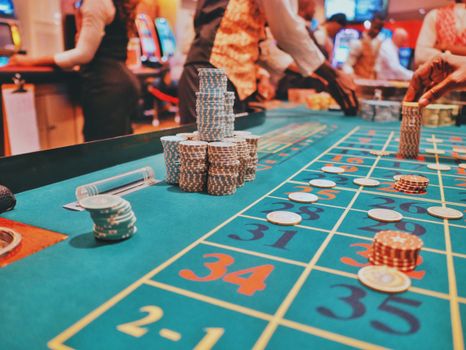
Casinos are often compared to labyrinths, and for good reason. The layout of a casino is rarely accidental. In fact, research shows that the average Las Vegas casino devotes over 70% of its floor space to slot machines, which generate up to 85% of gaming revenue (UNLV Center for Gaming Research, 2023). Slots are typically placed in high-traffic areas, with table games positioned deeper inside to encourage exploration.
The famous "gaming maze" concept, pioneered by casino architect Bill Friedman, avoids windows, clocks, and straight paths. This design keeps players disoriented and immersed, making it easy to lose track of time. For example, the MGM Grand in Las Vegas boasts over 170,000 square feet of gaming space, with a layout that subtly guides visitors past enticing games and amenities, increasing the likelihood of spontaneous play.
.png)
Online casinos borrow some of these principles digitally. Pop-up games, personalized recommendations, and seamless navigation all work to keep players engaged and exploring longer.
Color, Light, and Sound: Stimulating the Senses
Colors and lighting play a powerful role in influencing mood and behavior. Casino interiors often use warm reds and golds, colors associated with excitement, luck, and luxury. Scientific studies suggest that red environments can increase heart rate and arousal, making players more likely to take risks (Journal of Consumer Research, 2020).
Bright, dynamic lighting around slots and jackpot boards draws attention, while the overall absence of harsh white light helps create a cozy, timeless atmosphere. In online casinos, vibrant banners and animated effects serve a similar purpose, highlighting bonuses and new games.
Sound is another crucial element. The familiar "ding" of a winning slot and the soft hum of background music are engineered to evoke pleasure and anticipation. In fact, a 2017 study found that players exposed to winning sounds overestimated their actual wins by 24%, indicating that audio cues can significantly influence perception and memory.
Reward Systems: Variable Reinforcement and Player Motivation
One of the most powerful psychological tools in casino design is the concept of variable reinforcement. Slot machines, for instance, use randomized rewards—sometimes small, sometimes large, and always unpredictable. This mirrors the "Skinner box" experiments in behavioral psychology, where animals pressed levers more frequently when rewards were random rather than predictable.
Online casinos amplify this effect with frequent bonuses, loyalty points, and pop-up notifications celebrating player milestones. A 2022 survey found that 62% of online casino players cited bonuses and rewards as their primary reason for returning to the same platform.
The table below compares key reward mechanisms in land-based and online casinos:
| Mechanism | Land-Based Casinos | Online Casinos |
|---|---|---|
| Comp Points/Loyalty Programs | Physical rewards, free meals, hotel stays | Bonus credits, cashback, VIP status upgrades |
| Jackpots & Progressive Prizes | Displayed on machines, announced in halls | Flashing banners, real-time notifications |
| Social Rewards | Complimentary drinks, invitations to events | Live chat rooms, multiplayer tournaments |
Spatial and Social Engineering: Creating Comfort and Community
The physical arrangement of gaming tables and slot machines is designed to maximize both comfort and social interaction. Many casinos cluster popular games together, encouraging groups of friends or strangers to celebrate wins and commiserate losses. Comfortable seating, free drinks, and attentive staff all add to a sense of belonging.
Online platforms replicate this through live dealer games, chat functions, and social gaming features. For instance, live blackjack tables often include tipping options for dealers and the ability to chat with fellow players, fostering a community vibe even in virtual spaces.
Casinos also use spatial psychology to manage player flow. Wider aisles in high-limit areas and quieter corners for table games help different types of players find their preferred environments. A 2021 industry report found that players were 37% more likely to return to casinos that offered both lively and tranquil zones, underscoring the importance of diverse atmospheres.
Subtle Cues and Micro-Interactions: The Power of Small Details
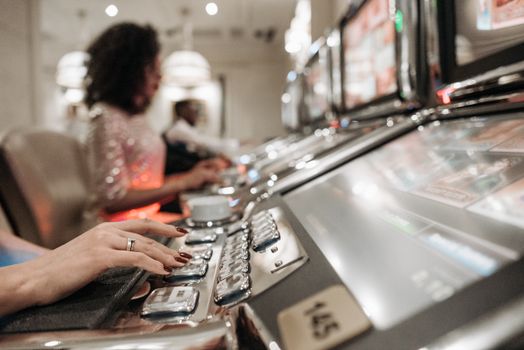
Beyond grand architectural gestures and bold colors, subtle design cues have a surprisingly strong impact on behavior. For example, slot machines are often set at a slight angle to catch peripheral vision, and the placement of chairs encourages longer sessions by prioritizing comfort.
In online casinos, micro-interactions—like the satisfying animation when a bet is placed or a mini-celebration for small wins—keep engagement high. Even the speed at which digital reels spin is calibrated; studies show that slightly faster spins (around 2.5 seconds per cycle) increase the number of plays per hour without making the experience feel rushed.
Another example is the use of near-miss outcomes. Both physical and digital slots frequently display results that almost match a jackpot combination. Research from the University of British Columbia (2018) demonstrated that near-misses activate the same reward centers in the brain as actual wins, encouraging continued play.
Responsible Design: Balancing Engagement and Player Well-Being
With great power comes great responsibility. Modern casinos are under increasing pressure to balance engaging design with ethical considerations. Many jurisdictions require visible clocks, self-exclusion tools, and responsible gaming messages. For example, the UK Gambling Commission mandates that online casinos offer "reality checks"—pop-ups reminding players of time spent and money wagered, which have been shown to reduce excessive play by up to 12% (UKGC, 2022).
Some casinos are experimenting with “cool-off” zones—quiet spaces away from the action—and digital platforms offer session time limits, deposit caps, and self-assessment questionnaires.
While the psychology of casino design is undeniably effective at driving engagement, the industry’s future will likely focus increasingly on player protection and transparency.
Key Takeaways: The Lasting Impact of Casino Design Psychology
Understanding the psychology behind casino design offers fascinating insights into why gaming environments are so immersive—and why they keep us coming back. From architectural layouts and sensory cues to reward systems and micro-interactions, every detail is engineered to maximize engagement. However, with rising awareness around responsible gambling, both online and land-based casinos are adapting their designs to foster not just excitement, but safety and well-being.
As players become more informed and regulators demand greater transparency, the evolution of casino environments is sure to remain a crucial—and complex—part of the gaming experience.