The Psychology of Casino Design: How Environment Shapes Player Behavior
Step into any casino—whether in Las Vegas or Macau—and you’ll notice a distinct atmosphere: bright lights, captivating sounds, and a layout that seems both inviting and maze-like. This isn’t by accident. The psychology of casino design is a carefully orchestrated science that heavily influences player behavior, enjoyment, and even spending patterns. Understanding these psychological strategies not only offers fascinating insights but can also make you a more informed and responsible gambler.
How Casino Layouts Guide Player Movement
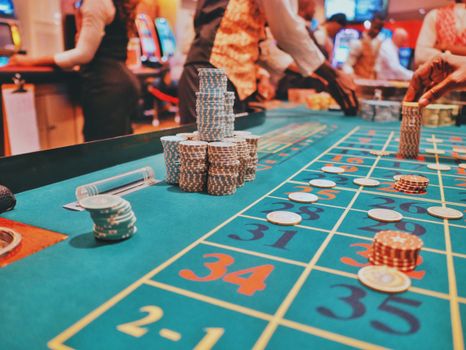
The physical structure of casinos is meticulously planned to maximize player engagement and time spent on the floor. Unlike traditional retail environments, casinos often lack visible clocks and windows, disrupting a person’s sense of time and encouraging longer play sessions.
A 2010 study published in the Journal of Gambling Studies found that gamblers in windowless environments gambled 30% longer than those exposed to natural light and time cues. Casino layouts frequently employ a "labyrinth design," where slot machines are placed along winding paths rather than straight lines. This design increases the chance of spontaneous play, as players are exposed to more games while navigating the floor.
.png)
For example, the MGM Grand in Las Vegas spans over 170,000 square feet and uses a combination of curved walkways and strategically placed gaming tables to direct player flow. Even the locations of restrooms, ATMs, and restaurants are chosen to lead guests past as many gaming options as possible.
The Role of Lighting, Sound, and Color in Player Experience
Sensory elements are another key weapon in the casino designer’s arsenal. Lighting is kept bright but comfortable, with many casinos opting for warmer tones to create a welcoming ambiance. Studies show that red and gold hues—common in casino carpets and decor—are associated with excitement and luck, particularly in Asian cultures.
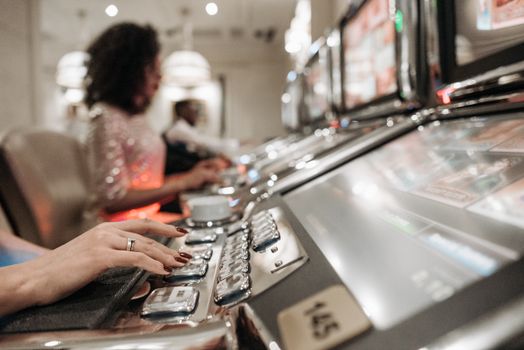
Meanwhile, soundscapes are engineered to heighten anticipation and excitement. Slot machines use “near-miss” sounds and celebratory jingles to trigger dopamine release, mimicking the sensation of winning even when players lose. According to a 2016 study by Dixon et al., 70% of players reported that positive sound effects made them more likely to continue playing.
Color psychology also plays a significant role. Greens and blues are used in poker rooms to promote calm and concentration, while the vibrant reds and yellows in slot machine areas energize and stimulate play.
Casino Chips and Cashless Play: The Illusion of Spending
One of the most notable psychological tricks in casinos is the use of chips or digital credits instead of cash. This abstraction makes it easier for players to part with money, as the pain of paying is less acute when using tokens or virtual balances.
Research from the University of Cambridge found that players using chips or electronic credits spend up to 15% more per session than those using cash. The use of chips also speeds up gameplay, as players don’t have to wait for change or handle bills between bets.
The rise of cashless casinos—where credits are loaded onto cards or mobile apps—further distances players from the reality of their spending. This is particularly true in online casinos, where digital wallets and instant deposits make it effortless to keep playing.
| Payment Method | Average Spend Increase | Convenience Level |
|---|---|---|
| Cash | Baseline | Low |
| Chips | +15% | Medium |
| Digital Credits | +20% | High |
Reward Systems: Loyalty Programs and Compulsion Loops
Casinos are masters at encouraging repeat visits and extended play through reward systems. Loyalty cards track player activity and offer perks such as free meals, hotel stays, or exclusive event invitations based on total wagering.
These loyalty programs are designed around the psychological principle of operant conditioning, where intermittent rewards (like random jackpots or surprise bonuses) keep players engaged. According to the American Gaming Association, over 80% of U.S. casinos use some form of loyalty scheme, and members spend on average 35% more per visit than non-members.
Online casinos have adapted these techniques into digital environments, employing daily login bonuses, tiered rewards, and achievement unlocks to create compulsion loops. These tactics are highly effective, as demonstrated by a 2022 survey that found 60% of online casino players cited loyalty rewards as a primary reason for site choice and repeat visits.
Environmental Comfort: Seating, Air Quality, and Service
While the glitz and glamor catch the eye, the comfort of players is equally prioritized. Ergonomically designed chairs, climate control, and carefully managed air quality are all standard. Casinos invest heavily in HVAC systems to ensure air is clean and fresh, combating the effects of smoke and large crowds.
Staff are trained to provide attentive but unobtrusive service, offering complimentary drinks and snacks at regular intervals. This hospitality not only adds value but also subtly encourages guests to remain at their tables or machines longer.
A notable example is the Wynn Las Vegas, which employs a scent marketing strategy, pumping a custom fragrance through its ventilation system to create a signature experience. Research from the Smell and Taste Treatment and Research Foundation found that pleasant scents can increase gambling revenue by up to 45%, as players associate the environment with positive emotions and are more likely to stay and play.
Digital Casino Environments: Transferring Psychological Strategies Online
As online gambling grows—global revenue reached $92.9 billion in 2023—the digital casino space adapts many of the same psychological cues as land-based venues. Game interfaces use bright animations, frequent notifications, and celebratory sound effects to mimic the excitement of the casino floor.
Online platforms also employ infinite scroll and seamless game transitions, reducing friction and making it easier for players to move from one game to the next. The lack of time markers is replicated with always-on interfaces and 24/7 customer support.
Moreover, online casinos leverage big data to personalize offers and bonuses, tailoring promotions to individual play habits. For example, players who tend to play late at night might receive special midnight bonuses, while high rollers get access to VIP events and exclusive games.
Final Thoughts on the Psychology of Casino Design
The world of casino design is a fascinating intersection of architecture, psychology, and technology, all engineered to maximize engagement and profitability. From the placement of gaming machines to the color of the carpet and the structure of reward programs, every detail is carefully chosen to influence player behavior.
While these psychological strategies can enhance entertainment and create memorable experiences, it’s important for players to remain aware of their effects. Understanding how environment shapes your decisions is a crucial step toward responsible gambling. The next time you enter a casino—whether physical or online—take a moment to notice how the space makes you feel, and remember: awareness is your best defense against unconscious influences.